Best Refrigerator Temperature Settings for Freshness and Safety
2024-12-17
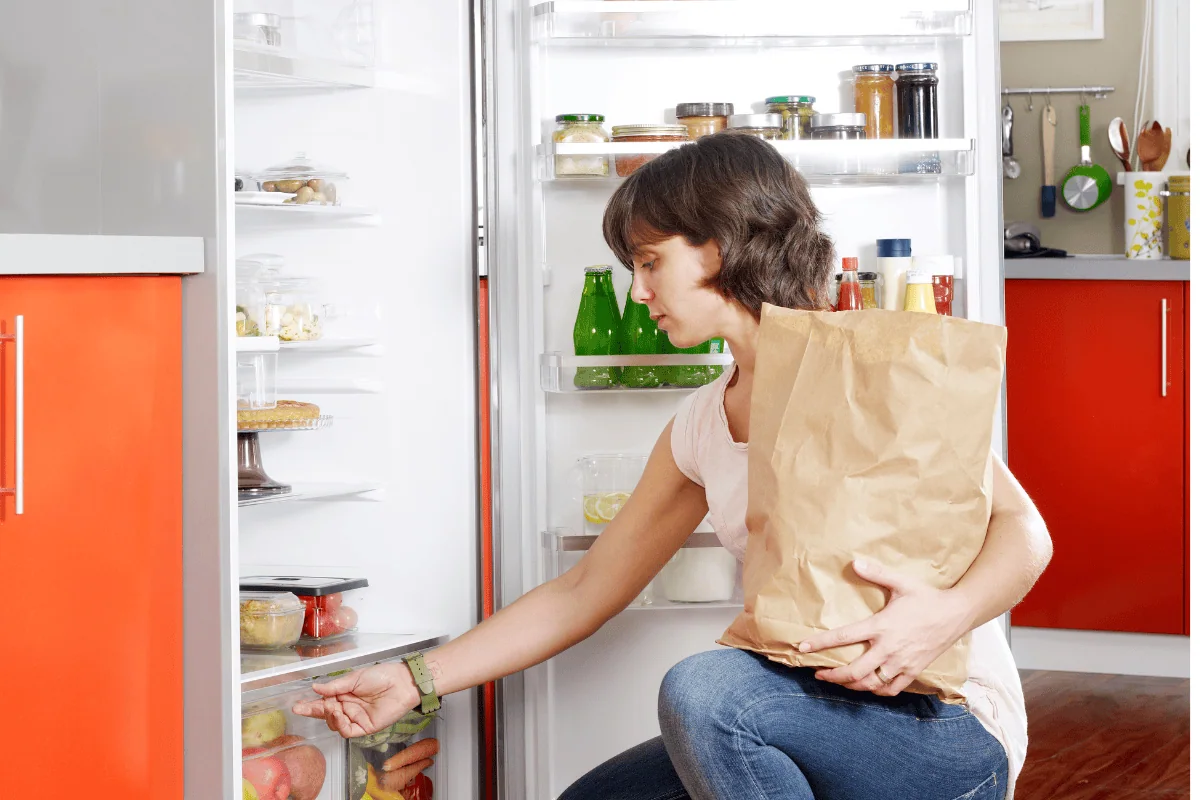
Have you ever pulled out a gallon of milk only to find it’s become something resembling a science experiment? Or perhaps you’ve been greeted by wilted lettuce, icy eggs, or sticky condensation puddling at the bottom of the fridge. If this sounds familiar, it’s time to talk refrigerator temperatures—because even a small fluctuation can mean spoiled food, wasted money, and a frustrated homeowner.
What Temperature Setting is Best For My Refrigerator?
Keeping your refrigerator at the perfect temperature isn’t just good for freshness; it’s critical for food safety and energy efficiency. If your fridge isn’t chilling the way it should, don’t panic. From ideal settings to troubleshooting common temperature-related issues, here’s everything you need to know to keep your food cool, crisp, and safe.
The Ideal Refrigerator Temperatures
Here’s why keeping the right temperature matters:
- Food Safety: Bacteria like Salmonella and E. coli thrive above 40°F. A lower, consistent temperature slows their growth significantly.
- Energy Efficiency: Your refrigerator runs efficiently without overworking or freezing your food.
- Food Freshness: Fruits, vegetables, dairy, and meats retain their texture, taste, and quality for longer.
While there’s no one-size-fits-all magic number for refrigerators, 37°F is widely regarded as the sweet spot. It’s cold enough to keep bacteria at bay while ensuring your produce doesn’t turn into a frost-covered disaster.
Perfect Freezer Temperature
Your freezer is more than just an ice box—it’s your best defense
against food waste, spoilage, and bacteria growth. However, the magic only happens when the temperature is low enough to keep food frozen solid and safe. A freezer that’s too warm can cause thawing, freezer burn, and even bacterial activity, while a freezer that’s too cold might waste energy and frost over unnecessarily.
Here’s why maintaining the right freezer temperature is essential:
- Prevents Freezer Burn: Food stays frozen solid without losing moisture or developing unpleasant icy patches that dry it out.
- Preserves Quality: Meats, vegetables, and pre-cooked meals retain their flavor, texture, and nutritional value for longer. You’ll still enjoy that steak or frozen lasagna months after buying it.
- Ensures Food Safety: A consistently low temperature halts bacterial growth entirely, making frozen food safe to eat for extended periods.
Water freezes at 32°F, but that’s not cold enough to keep food safe for long-term storage. At 0°F, food freezes solid, bacteria become inactive, and the risk of spoilage or contamination is eliminated. This scientifically recommended temperature locks in freshness while preventing freezer burn and waste.
To help maintain this optimal freezer temperature:
- Avoid overpacking the freezer; airflow is crucial for consistent cooling.
- Check for ice buildup, which can block vents and disrupt proper circulation.
- Use a freezer thermometer to ensure it stays reliably at 0°F.
How to Check and Adjust Your Refrigerator Temperature
Your fridge might have a digital display or a dial, but don’t trust those settings blindly. Thermometers can be slightly inaccurate or drift over time. Here’s how to get a clear reading:
- Use a Refrigerator Thermometer: A simple tool, available at most hardware stores, gives you a reliable temperature check.
- Place It Correctly: Put the thermometer in the center of the fridge, away from the door and walls where temperatures fluctuate.
- Monitor for 24 Hours: Let the thermometer stabilize before making adjustments.
- Tweak the Settings: If it’s running above 40°F, adjust the temperature down slightly and check it again after a day.
If the temperature is still off despite your adjustments, you may be dealing with a mechanical issue that needs professional attention.
5 Signs Your Refrigerator Temperature Is Off
A refrigerator that isn’t maintaining the correct temperature won’t always make it obvious—at least not at first. Look for these telltale signs:
- Food Spoiling Quickly: If milk, meat, or leftovers are turning bad faster than they should, the temperature may be running high.
- Frozen Produce: If your vegetables have ice crystals or eggs are freezing solid, the fridge could be set too low.
- Condensation Inside: Excess moisture inside the refrigerator points to inconsistent cooling or poor airflow.
- Odd Smells: Rapid food spoilage causes unpleasant odors that won’t be gone until the temperature issue is fixed.
- Warm Spots: Some shelves or sections feel warmer than others, which can mean an airflow problem.
Why Temperature Problems Can Happen
If your fridge isn’t holding the right temperature, several components might be to blame:
- Faulty Thermostat: If the thermostat isn’t reading the temperature accurately, the fridge can’t cool properly.
- Clogged Condenser Coils: Buildup on the coils reduces their ability to release heat, forcing the fridge to work overtime.
- Blocked Air Vents: Proper airflow ensures even cooling throughout the fridge. Overstuffed shelves can block vents, creating warm or frozen zones.
- Defective Compressor: The compressor circulates refrigerant to cool the air. If it’s not running efficiently, temperatures will rise.
These aren’t issues you want to tackle on your own. Refrigerators are complex appliances, and diagnosing or repairing components requires professional expertise.
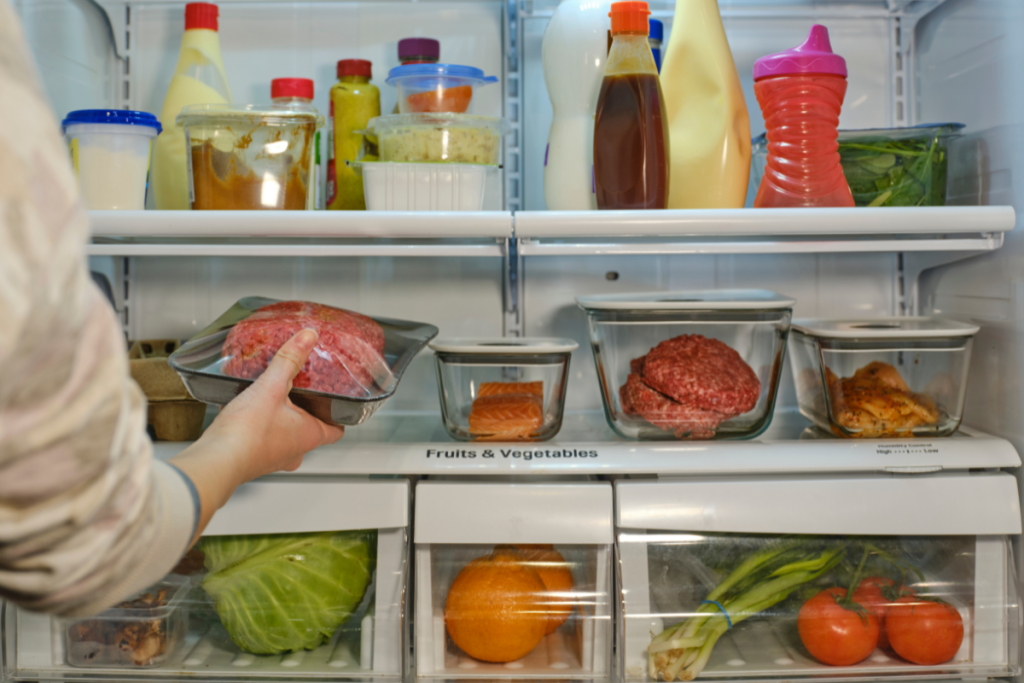
How to Maintain the Perfect Fridge and Freezer Temperatures
Preventing problems before they start is the name of the game. A few simple habits can help keep your fridge and freezer running smoothly:
- Avoid Overloading: An overstuffed fridge or freezer blocks airflow, leading to uneven cooling.
- Check Door Seals: Loose or damaged seals let cold air escape, causing temperature fluctuations.
- Keep Coils Clean: Dust and grime on the condenser coils force the appliance to overwork. A quick vacuum every six months keeps them clear.
- Monitor Regularly: Use a thermometer to check fridge and freezer temperatures periodically.
- Close the Door: Leaving the door open for too long allows warm air to rush in, throwing off internal temperatures.
When It’s Time to Call a Pro
If you’ve checked your settings and cleaned the coils but the temperature still won’t stay consistent, it’s time to call a professional. Ignoring the problem could lead to spoiled food and bigger repair bills down the road.
For residents looking for reliable refrigerator repair, professional service ensures your appliance runs efficiently without further guesswork.