How to Clean Between Oven Door Glass (Step-by-Step Guide)
2026-06-24
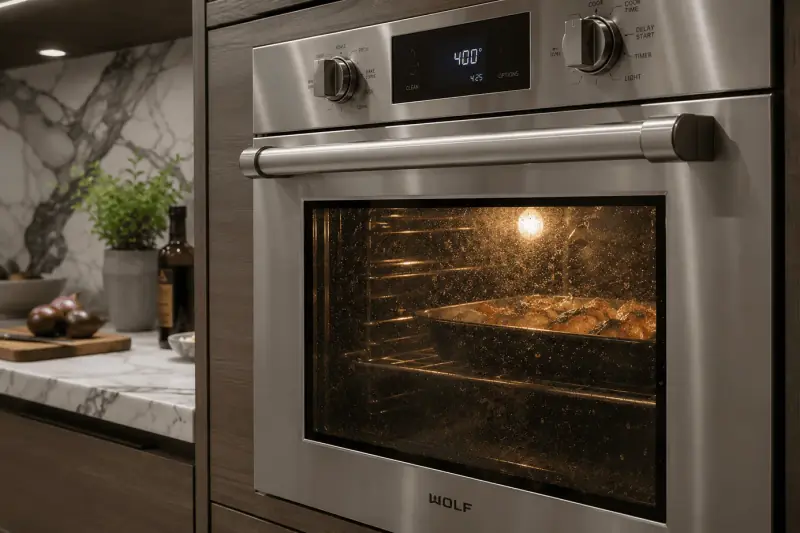
If your oven door looks cloudy even after cleaning, you may be wondering how to clean between oven door glass without damaging the appliance. Grease vapors, food splatter, and baked-on residue can work their way into the space between the glass panels, making the door look dirty even when the inside and outside surfaces are spotless.
A clear oven door helps you monitor food while it cooks and keeps your kitchen looking cleaner. The steps below explain how to clean between oven door glass safely, what to avoid, and when trapped residue may require professional service.
How to Clean Between Oven Door Glass Step by Step
Oven door designs vary by brand and model, so always check your owner’s manual before using any cleaning method.
Some doors have narrow vents or access openings, while others require professional handling to safely reach the inner glass. If your owner’s manual indicates that cleaning between the glass is permitted for your model, follow the steps below to clean the area safely and effectively.
Step 1: Let the Oven Cool Completely
Start only when the oven is fully cool to the touch. Warm glass can streak more easily, and hot surfaces increase the risk of burns.
Once the appliance has cooled, you can prepare gentle cleaning materials that will not scratch or damage the glass.
Step 2: Gather the Right Cleaning Supplies
Use soft, non-abrasive materials designed for glass surfaces.
Helpful supplies include:
- Microfiber cloths
- Warm water
- Mild dish soap
- A soft sponge
- A thin, flexible cleaning wand
- A rubber band or clip to secure the cloth
- A dry microfiber cloth for finishing
Avoid steel wool, abrasive pads, heavy-duty degreasers, and excessive liquid. These can damage glass, trim, insulation, or internal parts of the door.
After gathering your supplies, look for the safest way to access the area between the panes.
Step 3: Look for Door Vents or Access Openings
Many oven doors have small openings along the top, bottom, or side edges. These vents may allow limited access between the glass panels.
Do not force tools into tight spaces or pry at the door. If your model does not have a clear access point, the glass may not be designed for homeowner cleaning.
Once you identify a safe opening, you can begin cleaning the reachable interior glass surfaces.
Step 4: Clean Between the Glass Gently
Wrap a microfiber cloth around a thin cleaning wand and lightly dampen it with warm, soapy water. The cloth should be damp, not dripping.
Gently guide the cloth through the access opening and wipe the inside glass using slow, even movements. Work across the visible stains without pressing too hard.
For better results:
- Use long strokes instead of short scrubbing motions
- Reposition the cloth as it becomes dirty
- Switch to a clean damp cloth if grease starts smearing
- Follow with a dry microfiber cloth to reduce streaks
This can remove light grease, cloudy film, and surface-level residue trapped between the panes.
After cleaning, inspect the door under good lighting to see what remains.
Step 5: Check the Glass From Different Angles
Close the oven door and look through the glass from the front and side. Some stains may appear only when light hits the door a certain way.
If the glass still looks cloudy, repeat the process with a clean cloth. If stains remain deep inside the door, the residue may be beyond the reach of normal cleaning tools.
At that point, professional service may be the better option, especially if the door assembly needs to be opened.

Helpful Troubleshooting Tips
If you are still trying to figure out how to clean between oven door glass, these tips can help improve results without creating unnecessary risk.
- Use less cleaner than you think you need: Too much liquid can run into the door and create new streaks. A lightly damp cloth is usually enough.
- Clean with a fresh cloth after each pass: Reusing a greasy cloth can spread residue around instead of removing it.
- Try warm, soapy water first: Mild dish soap is often effective on cooking grease and is less likely to damage finishes than harsh chemicals.
- Finish with a dry cloth: A dry microfiber cloth helps remove moisture lines and improves clarity once the glass dries.
- Clean visible vent areas: Grease around door vents can contribute to future buildup. Wipe only the visible exterior areas with a soft cloth.
- Avoid sharp tools: Knives, metal rods, or rigid scrapers can scratch glass or damage the door’s internal parts.
- Do not take the door apart unless the manual clearly allows it: Oven doors include glass, hinges, trim, and insulation that can be damaged if handled incorrectly.
- Pay attention to recurring buildup: If grease keeps appearing between the panes, the door seal, venting, or alignment may need attention from a trained technician.
These steps can help with light to moderate buildup, but some oven door designs require more than surface-level cleaning.
When Professional Service Is Needed
If residue is trapped deep between the panels, the door glass is loose, the door does not close correctly, or the stains return quickly after cleaning, it may be time to contact a professional.
A technician can inspect the oven door assembly, check for damaged seals or alignment issues, and determine whether the glass can be safely accessed. Mid America’s St Louis oven repair specialists can help with oven door concerns, heating problems, and other range or oven issues.
Understanding when cleaning ends and repair begins can help protect the appliance from avoidable damage.
Final Thoughts: How to Clean Between Oven Door Glass
Learning how to clean between oven door glass can help restore a clearer view into your oven and improve the overall look of your kitchen. The safest approach is to use soft cloths, mild cleaner, minimal moisture, and only the access points your oven design allows.
For ongoing appliance care, these oven cleaning tips can help reduce grease buildup and keep your oven looking cleaner between service visits. If the glass remains cloudy or the door needs more than basic cleaning, professional service is the safest next step.