How to Prevent Dryer Static Without Dryer Sheets
2025-07-08

If you’ve ever unloaded a dryer only to find your clothes clinging together and crackling with static, you’re not alone. This common laundry frustration is more than just a minor nuisance—it can leave clothes feeling uncomfortable and attract lint like a magnet. For those wondering how to prevent dryer static without dryer sheets, the good news is that there are safe, effective alternatives that don’t involve synthetic fragrances or chemicals.
Whether you’re dealing with sensitive skin, making an effort to reduce waste, or simply ran out of dryer sheets, there are reliable methods to minimize static naturally. The right techniques can enhance your laundry experience and protect your fabrics while also extending the life of your dryer.
Step-by-Step Guide to Prevent Static Without Dryer Sheets
Dryer static builds up when clothes rub against each other in a hot, dry environment. All that tumbling creates friction, and friction leads to an electrical charge. With nowhere to go, that charge sticks around, causing clothes to cling to each other and to you. Synthetic fabrics like polyester and nylon are the usual suspects, but even cotton and wool can develop static if the conditions are right.
Dryer sheets fight static by coating fabrics with softening agents, but not everyone wants chemicals in their laundry. If you’re looking for ways to reduce static without dryer sheets, the key is to manage moisture and minimize friction. A few simple changes to your drying routine can leave your laundry soft, fresh, and cling-free—no chemicals required.
Here are some natural solutions to try that are safe, effective, and easy to implement at home.
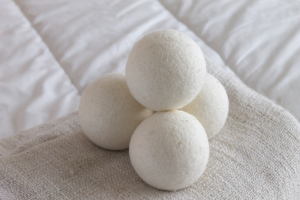
Use Wool Dryer Balls
-
Add three to six wool dryer balls to your load.
-
They help separate fabrics, reduce friction, and retain moisture.
-
Optional: Add a few drops of essential oil for a fresh scent.
Add Vinegar to the Wash Cycle
-
Pour ¼ cup of white vinegar into the fabric softener dispenser.
-
It softens clothes and reduces static by balancing the fabric’s pH.
-
Don’t worry—your laundry won’t smell like vinegar once dried.
Separate Synthetic Fabrics
-
Dry synthetic and natural fibers separately.
-
Synthetics tend to generate more static due to their material properties.
-
This helps reduce the overall charge in each load.
Reduce Drying Time
-
Avoid overdrying: Static builds up when clothes get too dry and lose all moisture.
-
Use a moisture sensor setting: Many modern dryers have an auto-dry or moisture-sensing feature—use it!
-
Lower the heat: High heat increases static; switch to low or medium settings when possible.
-
Remove clothes promptly: Take clothes out as soon as they’re dry to minimize tumbling and friction.
FAQs About Reducing Dryer Static Without Dryer Sheets
Is vinegar safe for all types of fabrics?
Yes, in most cases.
White vinegar is safe for most fabrics and won’t damage your clothes when used properly in the rinse cycle. However, avoid using it with bleach or strong detergents to prevent chemical reactions.
How many dryer balls should I use per load?
Three to six balls are ideal.
The number depends on the size of the load. Larger loads benefit from more balls to improve air circulation and minimize contact between fabrics.
Will drying clothes on low heat reduce static?
Yes, it helps significantly.
Lower heat settings preserve moisture and reduce friction, both of which contribute to less static buildup. It’s a smart, energy-efficient choice.
Are certain detergents better for reducing static cling?
Yes—Fragrance-Free and Residue-Free Options Help
Some detergents leave behind residue that can contribute to static. Look for detergents labeled “free and clear” or “residue-free” to keep fabrics soft and static-resistant, especially if you’re not using dryer sheets or fabric softener.
Bonus Tip: Check Your Dryer’s Humidity
A dry environment is one of the biggest contributors to static electricity in laundry. If you’re serious about preventing dryer static without dryer sheets, start by monitoring your dryer cycle and avoiding over-drying. Using a humidifier in your laundry room—or taking advantage of your dryer’s humidity-sensing features—can also make a noticeable difference in keeping static at bay.
If persistent static has become a recurring issue, it may be a sign of an underlying problem. The dryer repair professionals at Mid America Appliance Repair can diagnose and resolve the issue, helping to ensure your appliance operates safely and at peak efficiency.